A field book of cities, parks and the wire a visitor actually meets.
Meridian holds sheets on Canadian places. It is not a carrier. It is not a tourist office.
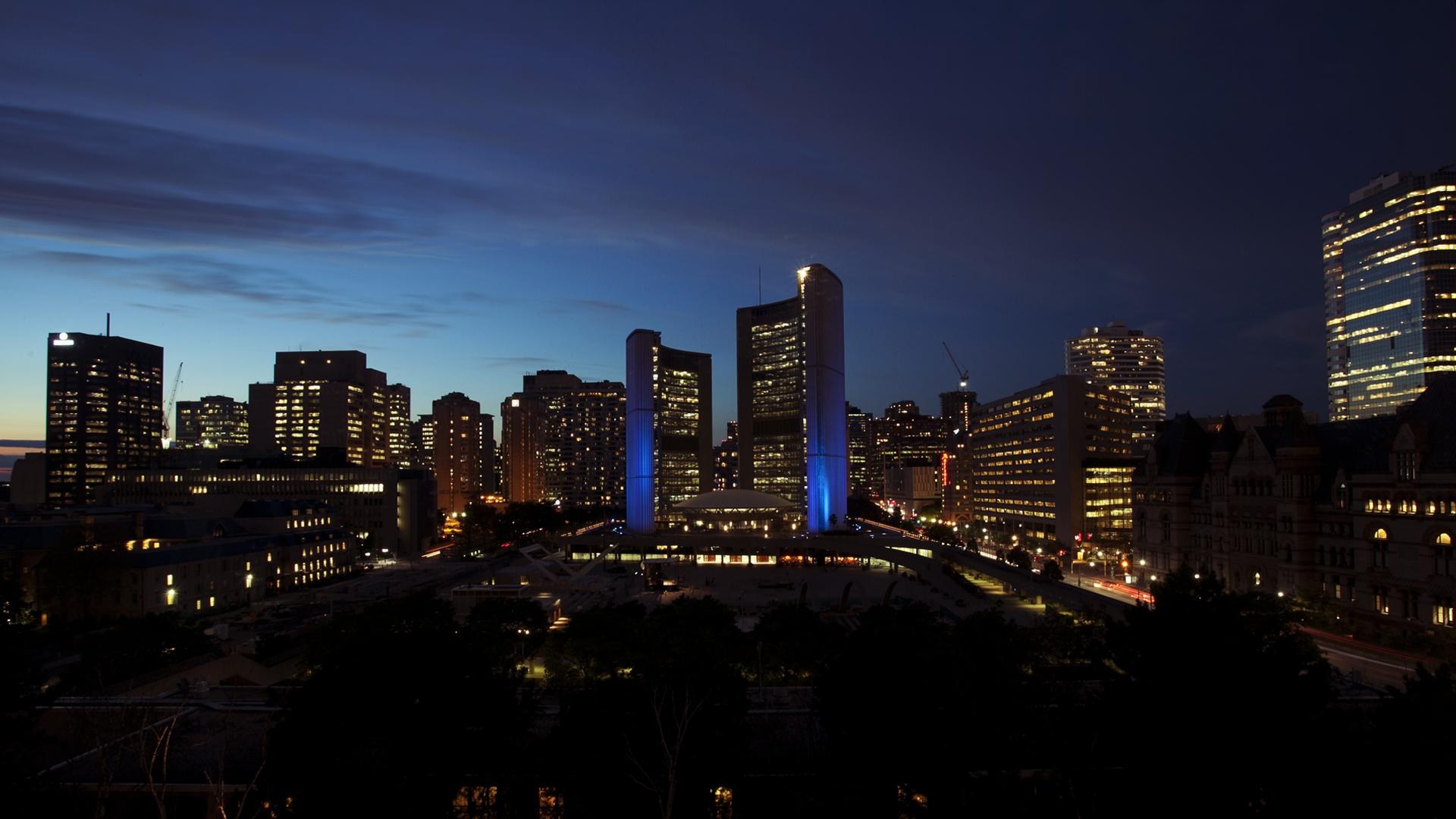
Canada is not one street. On Lake Ontario, Toronto stacks glass and a broadcast mast above a harbour that still takes ferries to the islands. On the St Lawrence, Montreal keeps a mountain, an old port and two working languages in the same block. Vancouver leans on a park that is almost an island, with a bridge over the First Narrows. Quebec City holds a cliff and a chateau that faces the river. Ottawa sits where the Rideau meets the Ottawa River. Calgary follows the Bow out of the foothills. Halifax watches a harbour from a citadel. The field book pins one sheet for each.
A visitor also meets the wire. High-speed internet in this country is a public story as much as a private plant. Fibre reaches many cores. Cable still covers a great share of streets. Copper remains on some rural loops. Fixed wireless and satellite carry the North and the long concession roads. Libraries, airports and some municipal squares publish open Wi-Fi. Groceries and airport kiosks sell prepaid wireless packs that a walker uses for maps and messages. Meridian writes that as geography. It does not open a top-up and it does not copy a tariff.
This field book does not sell. It does not reserve. It does not confirm a slot. It does not speak for a city hall, a parks agency or a network operator. Where a precinct asks for a title, the reader asks at that seat. Where a carrier asks for a pack, the reader asks in a shop. Meridian only names the place: the light, the river, the mast, the slope, and the kind of wire a visitor is likely to meet.
One arrives by air, by rail and by road. Pearson, Trudeau, YVR and the smaller fields take the long hauls. VIA and regional trains take some corridors. The field book does not copy platform hours because they go stale in a week. Arrival sums the foot from which one walks, without an itinerary of sale and without a list of tables.
How this field book is read
First the long sheet on broadband, because a visitor lives on maps, messages and a hotel network as much as on a skyline. Then Toronto and Montreal, two ports on two waters. Vancouver opens the Pacific. Quebec holds the cliff. Ottawa, Calgary and Halifax close three other compass points. Arrival is not a desk: it is a footnote. There are no rooms here. There is no till. There is no form for a slot and no form for a SIM pack.