Toronto is measured by a lake and a mast
The CN Tower still marks the core. The islands still take a ferry. The field book pins that pair and stays silent on tariffs.
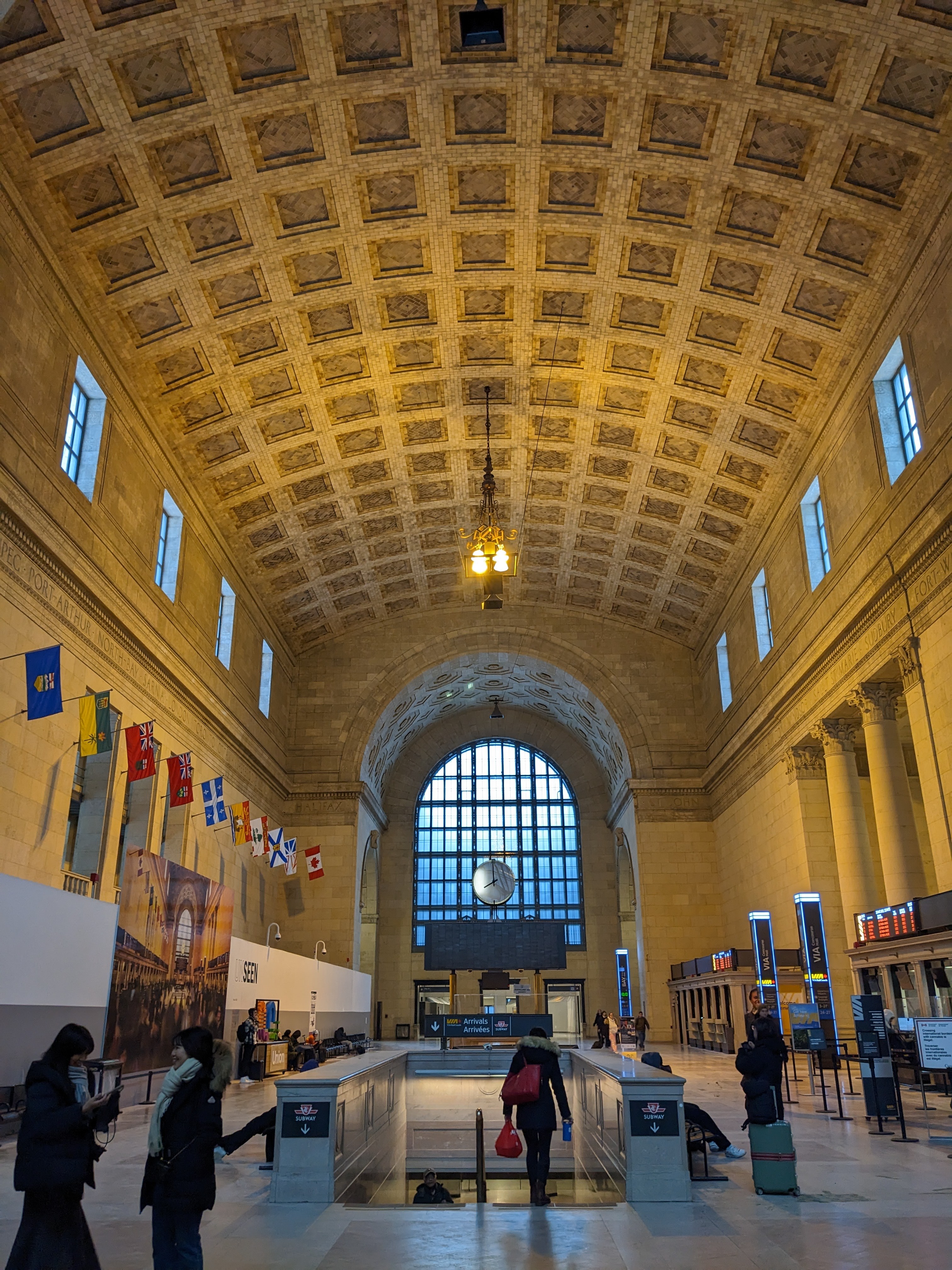
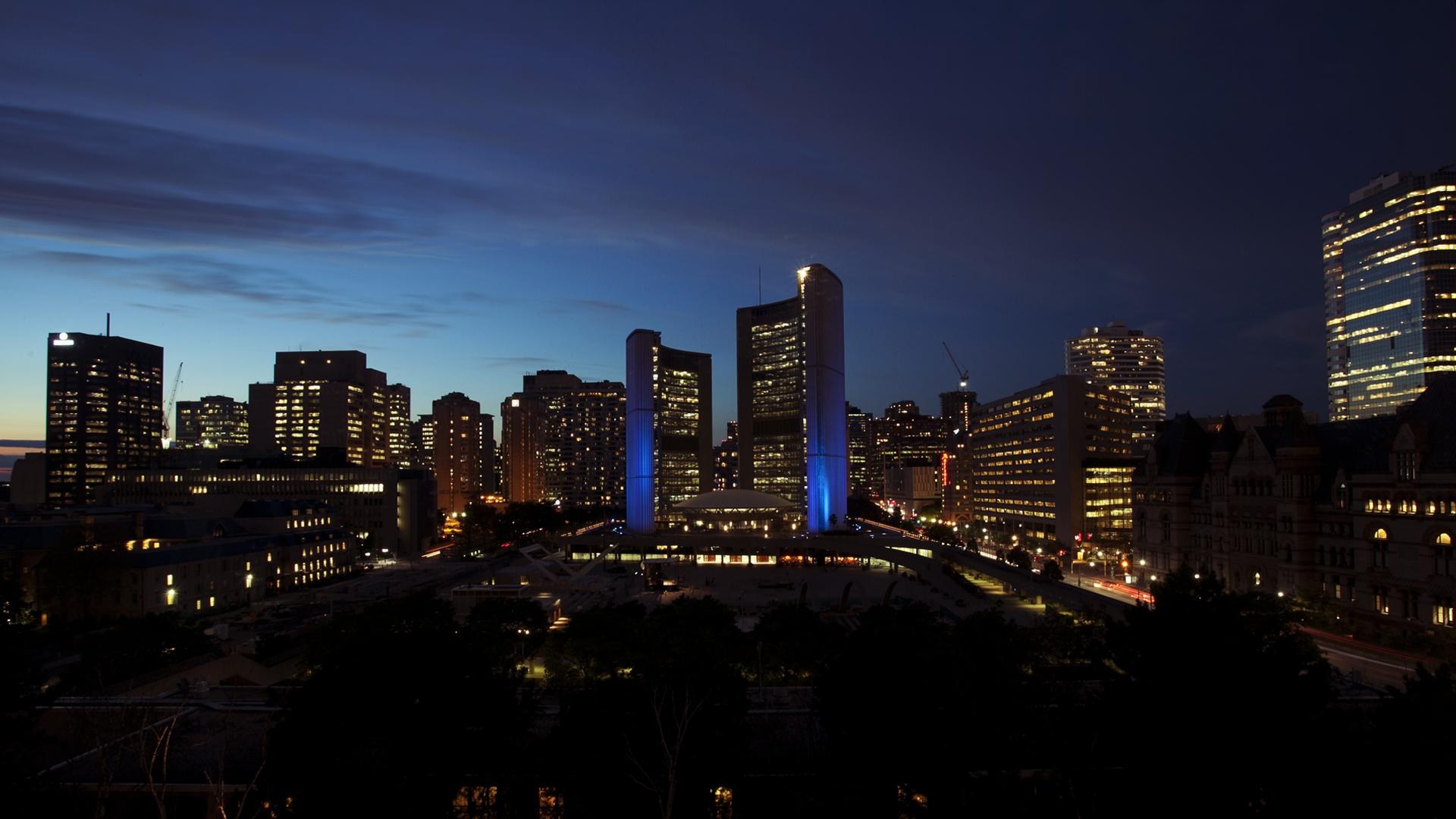
Toronto grew as a railway and lake port. Union Station's Great Hall is still the civic room under the towers. From the harbourfront the city reads as glass, a broadcast mast and a low island chain. The Toronto Islands are a short ferry, not a distant excursion. Centre Island, Ward's and Hanlan's Point keep bike paths, a farm and a clothing-optional beach that surprises visitors who expected only a skyline.
The core walks well: the PATH in winter, the waterfront trail in any month that is not a blizzard. Kensington and Chinatown sit west of the university. The Distillery District keeps brick Victorian industrial streets without pretending to be a ticket office. Niagara is a same-day rail or coach corridor. The field book names the falls on their own sheet of light and does not sell a deck.
On the wire, downtown Toronto is fibre and dense cable. Hotel networks are ordinary. The Toronto Public Library is a reliable indoor layer. Pearson publishes Wi-Fi in the sterile halls. Prepaid wireless packs are a grocery and kiosk habit, not a product on this leaf. Ask the shop that sells the pack. Ask the library for a guest session. This sheet only names the lake, the mast and the kind of wire.