Broadband in Canada, written as visitor geography
A walker lives on maps, messages, a hotel network and sometimes a prepaid wireless pack. This sheet names the kinds of wire. It does not sell them.
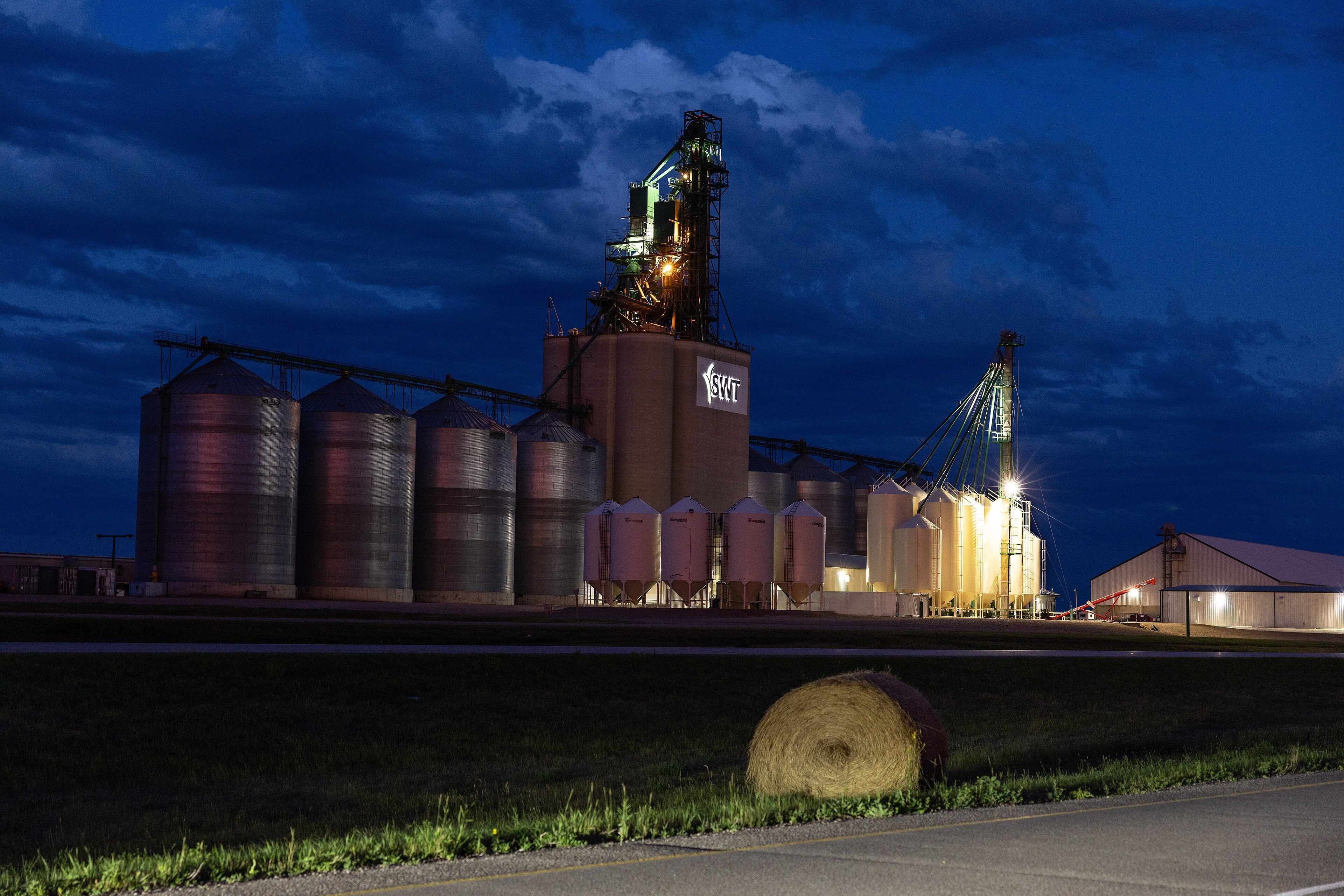
High-speed internet is ordinary in Canadian cities and uneven outside them. The CRTC, the federal communications regulator, has treated broadband as a basic service objective: a public aim that households should be able to reach a useful speed, not a shop window. That aim does not make every concession road equal. Fibre-to-the-premises is dense in large cores. Cable plant, upgraded over years of DOCSIS work, still covers a great share of streets in the same cities. Older copper telephone loops remain on some rural routes. Fixed wireless, often from a tower on a grain elevator or a ridge, fills gaps between towns. Satellite, first from geostationary birds and now also from low-earth constellations, carries the North, the coasts and the long winter roads.
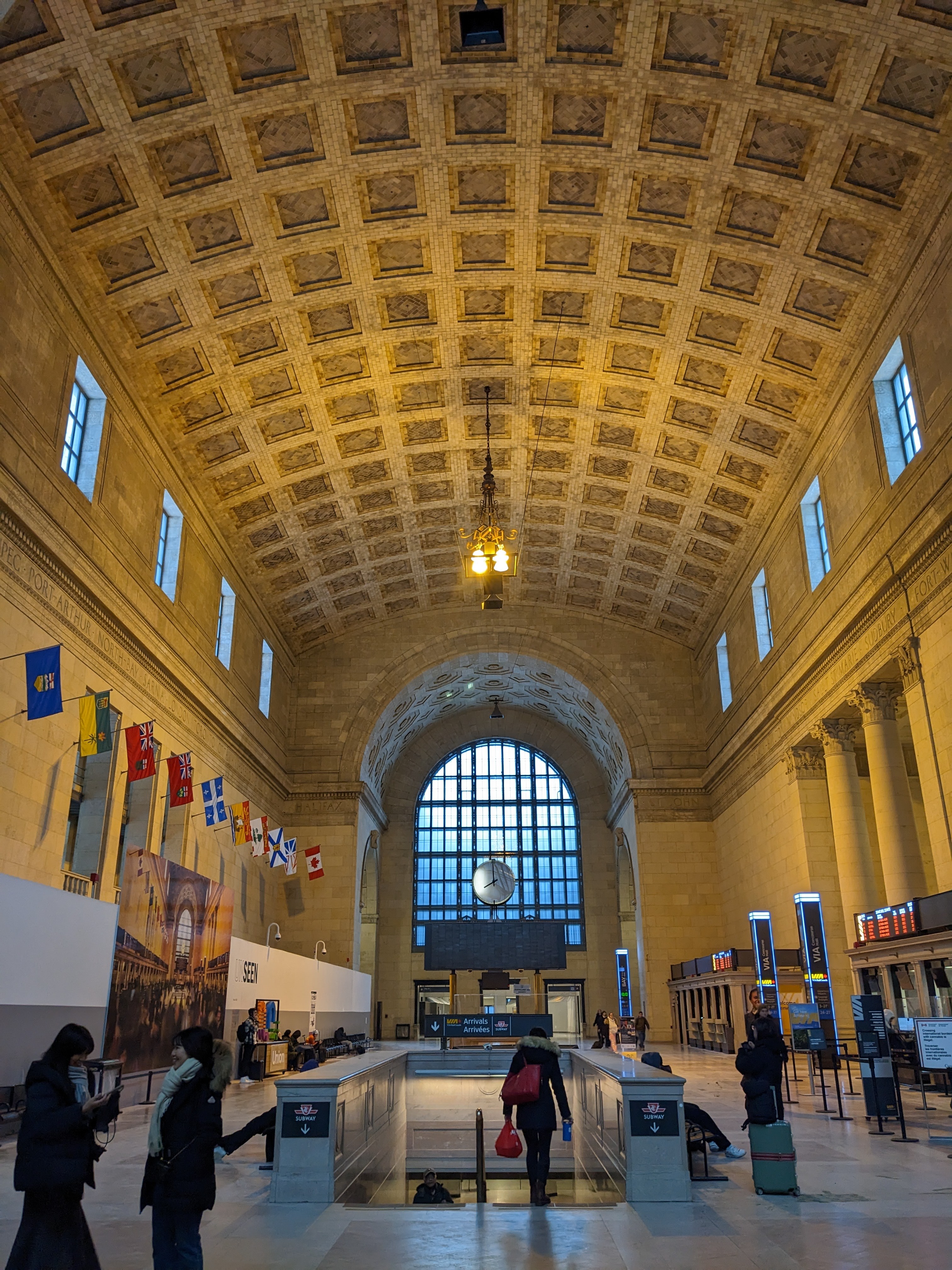
A visitor does not need a household contract. The wire a visitor actually meets is shorter: the airport hall, the hotel or hostel, the library, the cafe, the municipal square, and a prepaid wireless pack bought in a grocery or at a kiosk. Those layers overlap. Pearson, Trudeau and YVR publish open Wi-Fi in the sterile area. Large public libraries in Toronto, Montreal, Vancouver, Ottawa, Calgary and Halifax keep terminals and wireless for card holders and, in many branches, a guest session. Hotels usually run a private wireless network on fibre or cable that the front desk explains. None of that is sold here. Meridian only maps the layers so a walker knows which kind of seat to ask.
Fibre, cable, copper, tower, bird
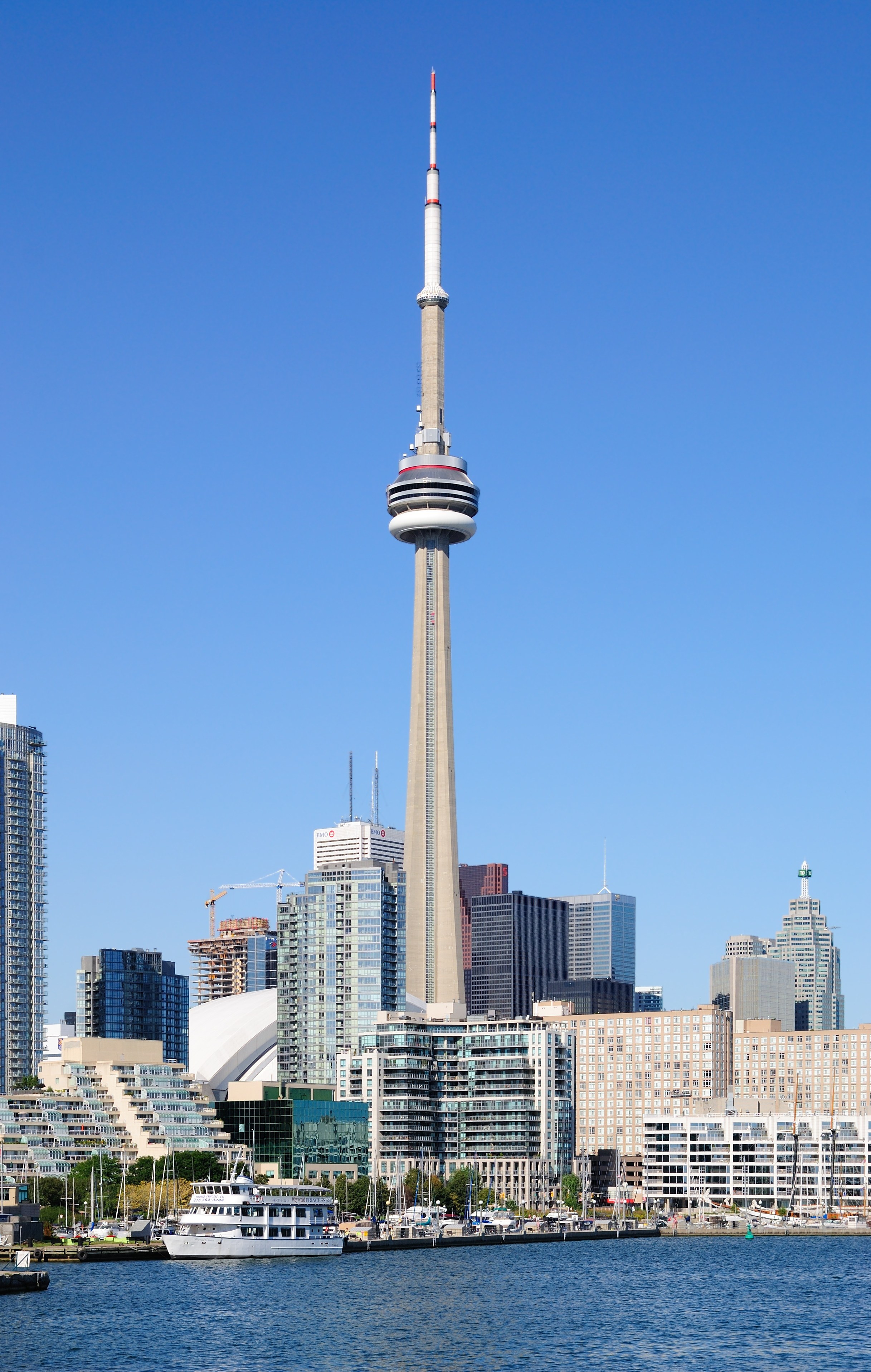
Fibre-to-the-premises means a glass strand to the building or the house. In downtown Toronto, Montreal, Vancouver, Calgary and Ottawa it is common in new towers and in many retrofitted blocks. A hotel on that plant feels snappy for video calls and map tiles. Cable plant uses the same coaxial streets that once carried television. It remains the workhorse of many inner suburbs. Speeds vary with how recently the node was split and how many neighbours share it at dusk. DSL on copper is the older telephone loop. It still appears in small towns and on the edge of cities. It is enough for mail and a map, and it slows when the loop is long. Fixed wireless points a dish or an antenna at a tower. On the prairie, along a highland road, on a Gulf island, that is often the only high-speed path. Satellite covers what towers cannot. Latency is the story there: a map loads, a call feels a beat late. The field book does not rank brands. It names the physics.
What a visitor actually carries
Most visitors keep a home number on roaming for a day or two, then switch to a local prepaid wireless pack if they stay longer, or they lean on hotel and cafe Wi-Fi and never buy a pack. Groceries, big electronics shops and some airport kiosks sell those packs. One activates them with a code, then tops them up later in the same kind of shop. The field book does not name a checkout. It does not open a guest top-up. It does not compare tariffs. Prepaid wireless in Canada is a visitor habit, like a transit card, not a product on this leaf.
Public Wi-Fi has a geography of its own. Airport halls are the first layer. Municipal libraries are the most reliable free indoor layer in the cities this book names. Some transit agencies publish wireless in stations and on vehicles. Some downtown business improvement areas run outdoor hotspots. Security on an open network is the reader's own: a private relay, a habit of not typing a bank password in a food court. Meridian does not supply that relay. It only notes that the open layer exists, and that it is denser in cores than on a concession road.
Quebec adds a language layer. Federal sites, many provincial sites and large carriers publish French and English. A prepaid pack bought in Montreal or Quebec City will usually speak both. A library terminal in those cities will too. In the rest of the country English dominates the screens, with French available on federal property and in pockets of the east. The field book's own switch is EN / FR for the same reason: a visitor may arrive in either language and still need the same map of the wire.
The public story, without a till
Canadian broadband is also a political map. Federal funds have paid for rural fibre and for satellite capacity. Provinces run their own builds. Indigenous communities have pressed for networks they own. The CRTC publishes coverage maps that a reader can open on the regulator's own seat. Those maps go stale, like platform hours. The field book does not mirror them. It says: in the cores, fibre and cable are ordinary. On the prairie and in the woods, ask locally. In the North, plan for satellite delay. That is enough for a walker.
This sheet does not sell a pack. It does not confirm a speed. It does not speak for a carrier, a hotel brand or a city Wi-Fi programme. If a shop asks for identity to activate a prepaid line, that is the shop's notice. If a hotel asks for a room number to join wireless, that is the hotel's notice. Meridian names the kinds of wire a visitor meets in Canada, and then returns to the harbour, the park and the cliff.